Trade promotion execution in FMCG: the promotion does not work if it does not reach the shelf
A good promotion is not only mechanics and budget. It must be stocked, placed, priced, visible, measured and corrected in time.
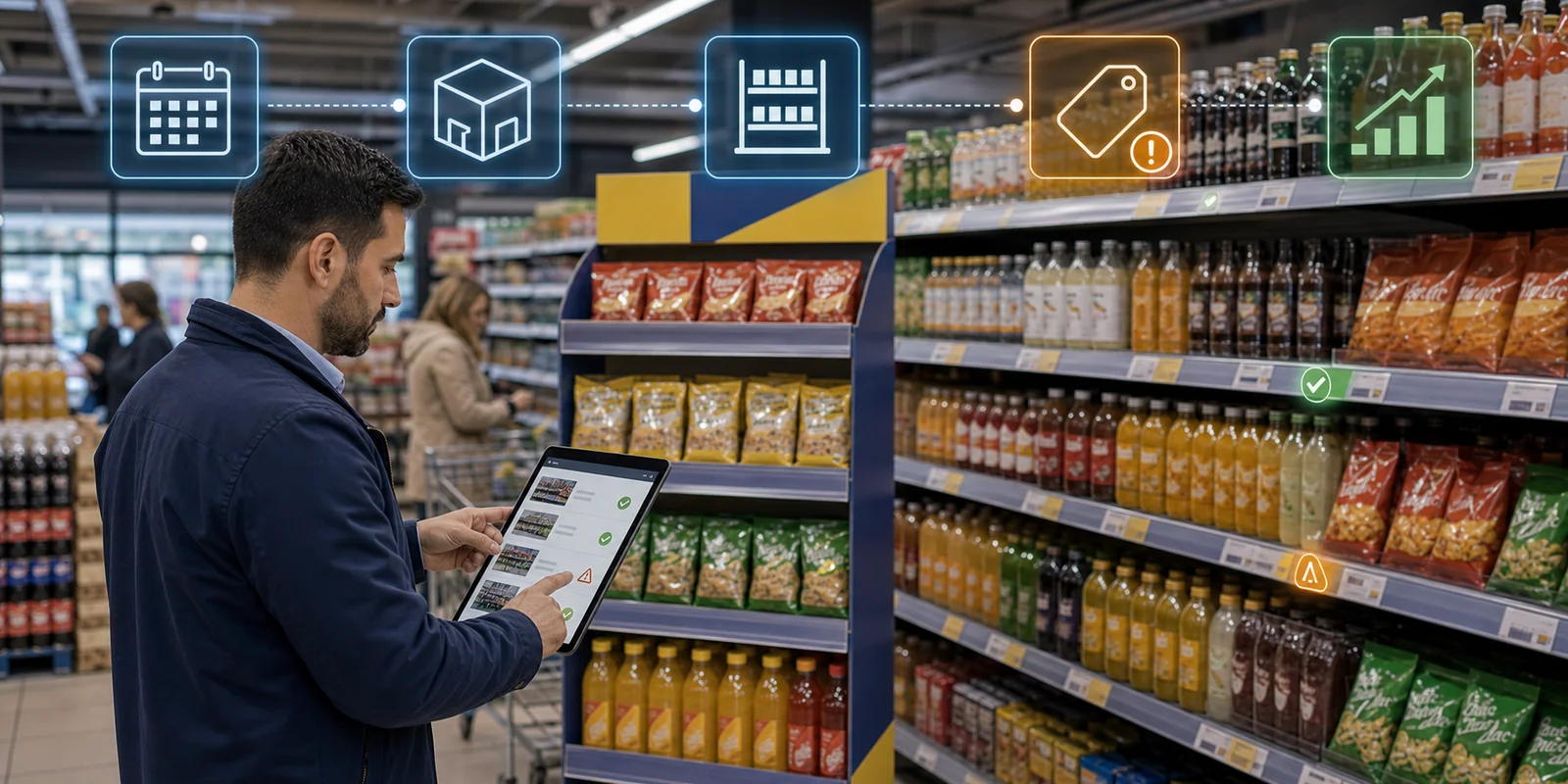
Many FMCG promotions look good in the plan.
Mechanic. Budget. Period. Customers. Expected uplift. Forecast sell-out.
But the store does not read the promotion plan.
The shopper sees only what is actually executed:
- is product available;
- is promo price visible;
- is there visibility;
- is there a display;
- is there POSM;
- is there enough stock;
- is timing correct.
If these things are missing, the promotion did not “fail”. It was not executed.
Promotion has several layers
Trade promotion execution is not one task.
It is a chain:
- Planning.
- Distributor availability.
- Store-level listing.
- Order.
- Delivery.
- Shelf placement.
- Secondary placement.
- Price.
- POSM.
- Monitoring.
- Issue closure.
- Post-promo analysis.
If one layer breaks, the result drops.
Stock before display
There is no promotion without availability.
The first check should be whether the product is available:
- at distributor;
- in warehouse;
- in store;
- on shelf;
- in secondary placement.
If product was sold to the distributor but did not reach the store, the promotion will not create sell-out.
DMS for FMCG is critical here because it shows secondary sales, fill rate, delivery status and stock gaps.
Price compliance is a separate risk
Promo price must be visible and correct.
If shelf price is wrong, if the promo label is missing or if the system price does not match the agreed price, the shopper will not see the offer.
Price compliance is one of the most common reasons a promotion appears weak.
At report level, the manager sees “low sales”. The real reason may have been “price was not placed”.
Secondary placement amplifies the promotion
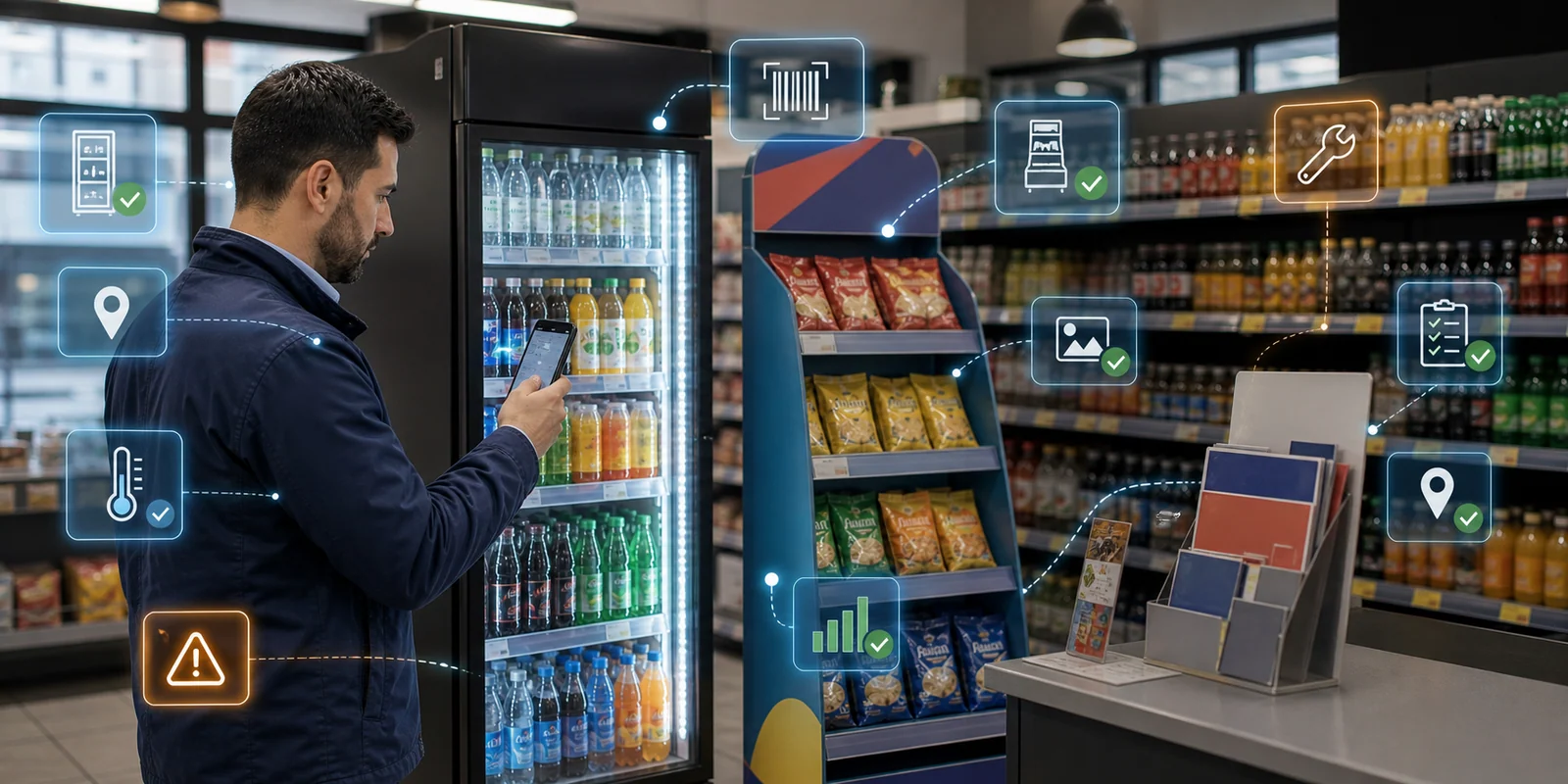
For many categories, the promotion should not live only on the main shelf.
It needs:
- endcap;
- floorstand;
- checkout display;
- promo island;
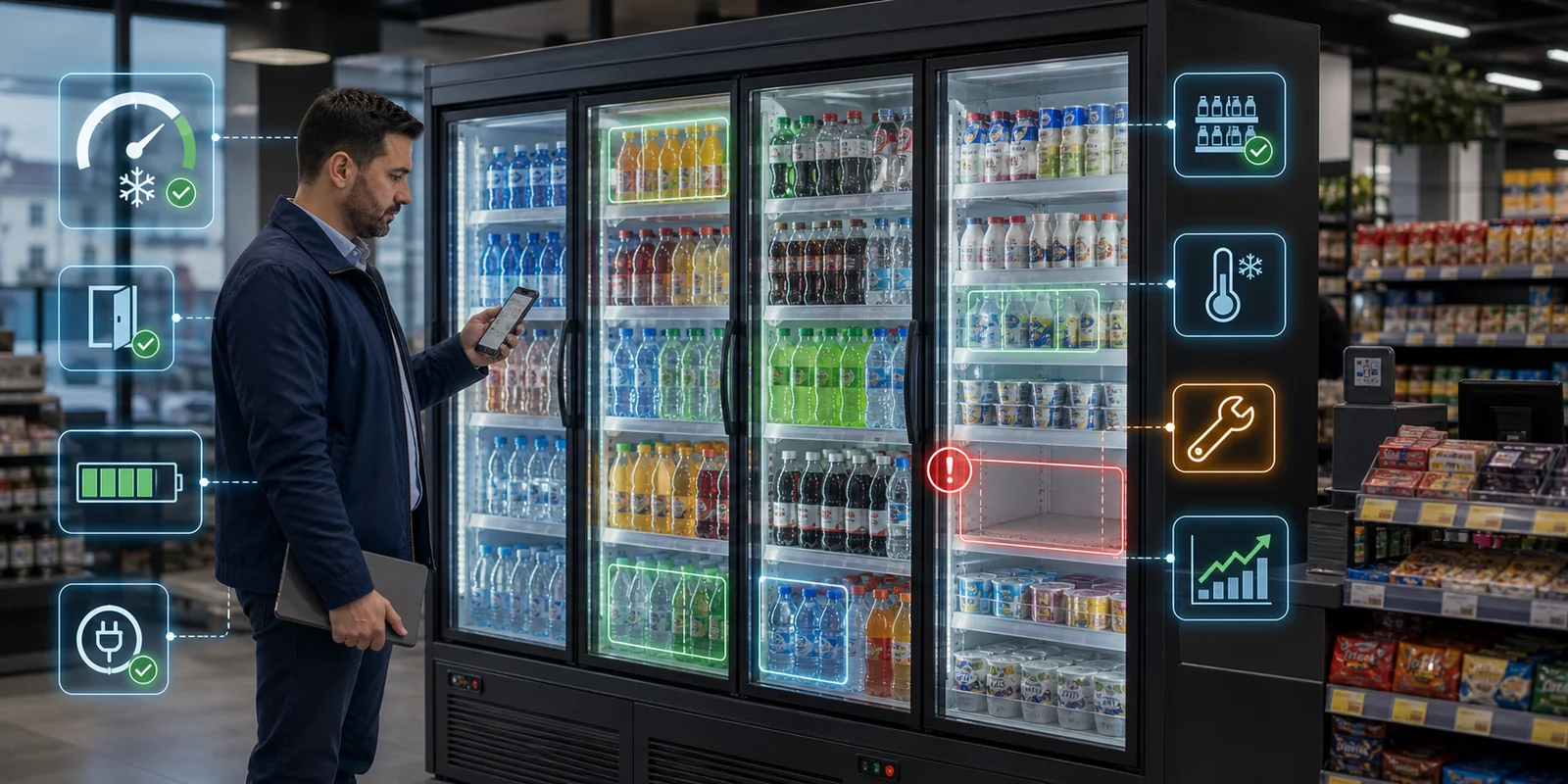
- cold placement;
- seasonal zone.
Secondary placements matter because they create additional visibility and move the product into shopper flow.
But if the display is empty, in the wrong place or still there after the promo period, it does not create value.
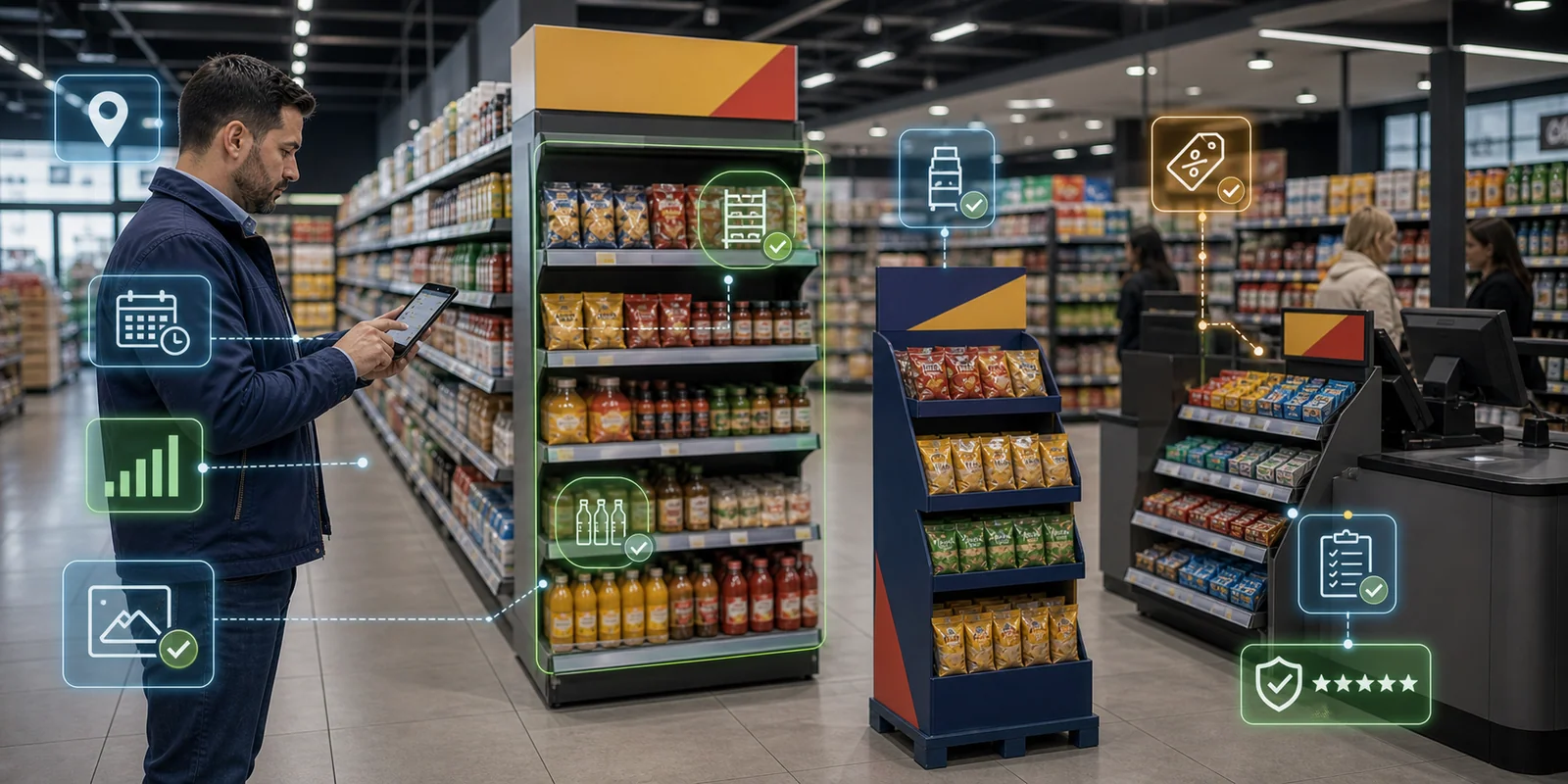
Promo compliance is not a photo, it is status
The photo is evidence, but it is not enough.
The system should turn the photo into status:
- promo product present;
- correct SKU;
- correct price;
- display present;
- fill level;
- POSM visible;
- competitor intrusion;
- issue open/closed;
- confidence.
Image recognition can verify shelf and display execution. Promo compliance should show whether the promotion physically reached the store.
In-flight monitoring
A major mistake is analyzing promotion only after it ends.
By then it is too late.
Trade promotion execution needs in-flight monitoring:
- which stores are not stocked;
- where price is missing;
- where display was not placed;
- where fill level is falling;
- where sell-out is below expectation;
- where an issue is not closed.
Workflow orchestration should create tasks in time. If the promotion lasts 7 days, an action on day 6 saves little.
KPIs for trade promotion execution
A good promotion should be measured with execution KPIs, not only sell-out.
| KPI | What it shows |
|---|---|
| Stores activated | which stores were actually included |
| Product availability | whether there is stock |
| Promo price compliance | whether price is correct |
| Secondary placement compliance | whether agreed display exists |
| POSM compliance | whether communication exists |
| On-time setup | whether the campaign started on time |
| Issue closure time | how fast problems are corrected |
| Sell-out uplift | real result |
| Promo ROI | whether trade spend was justified |
If ROI is analyzed without execution context, the conclusion may be wrong. The promotion may have been strong mechanically but weak operationally.
Trade spend without execution is risk
Promotion budget is one of the largest trade investments.
Without execution control, the company risks:
- paying for unexecuted agreements;
- low uplift;
- wrong post-promo analysis;
- conflict with key account;
- weak forecast for the next campaign;
- overstock or OOS;
- low trust in trade marketing.
Cost-to-serve also matters because a promotion can increase revenue while creating high logistics, claims or discount costs.
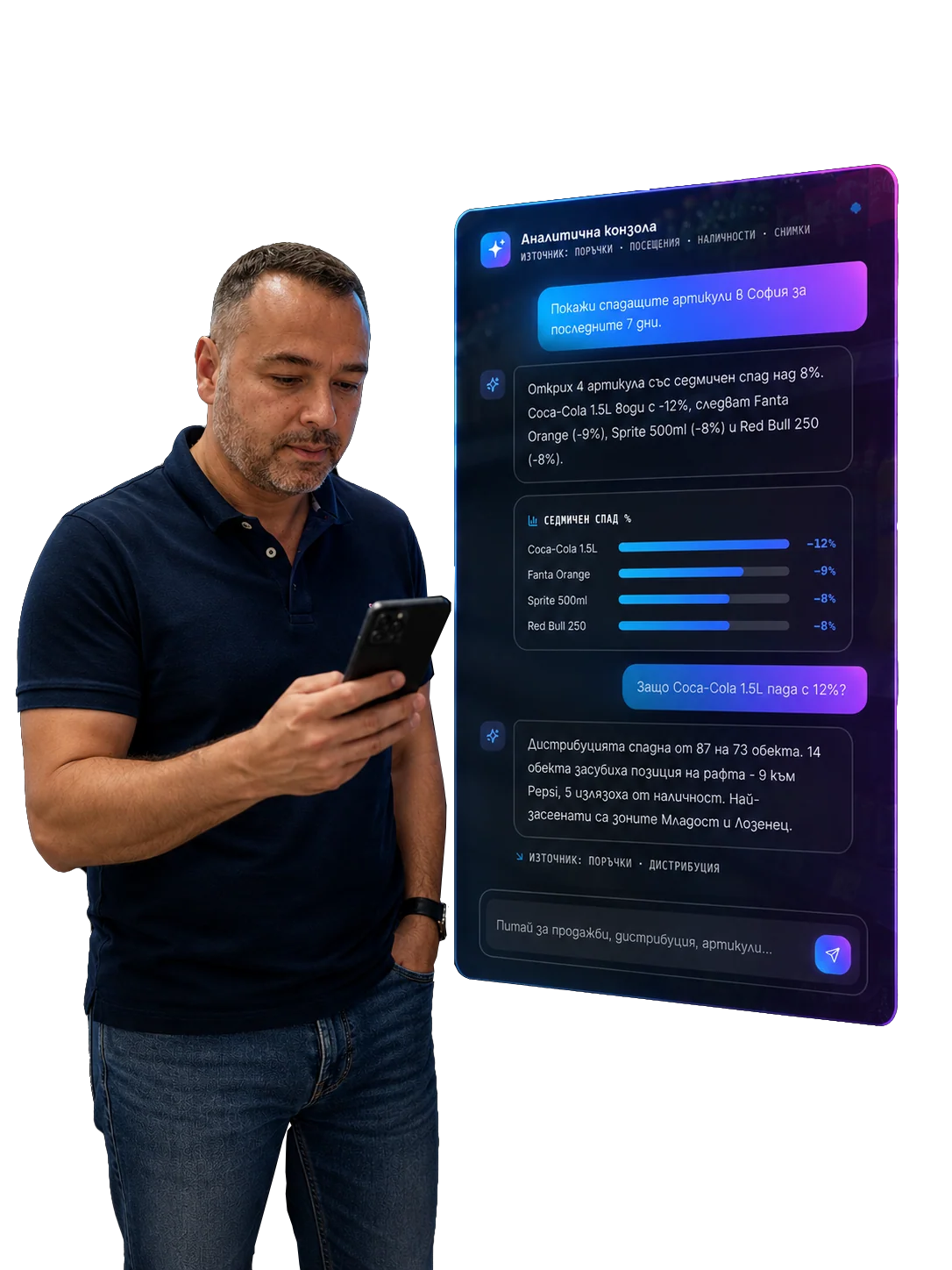
AI in promotion execution
AI can help with:
- forecast uplift;
- OOS risk before promotion;
- recommended order for promo period;
- detection of missing display;
- price mismatch;
- in-flight anomaly detection;
- next-best-action for sales rep;
- post-promo learning.
AI Order Brain should know that there is a promotion, but also whether it is executed. If AI expects promo uplift while display is missing, the recommended order may become wrong.
In short
Trade promotion execution is the bridge between promo plan and real store.
The promotion must be:
- stocked;
- delivered;
- placed;
- priced correctly;
- visible;
- measured;
- corrected in time;
- analyzed after the end.
Without execution visibility, trade promotion management remains an exercise in plans and budgets.
With execution visibility, promotion becomes a manageable process.
Related in Optimasoft
- Promo compliance shows how to measure physical execution of the promotion.
- Price compliance is critical for promotional results.
- Secondary placements manage displays, endcaps and checkout placements.
- Image recognition verifies product, price, display and POSM with photo evidence.
- AI Order Brain uses promo context in recommended orders.
- Workflow orchestration closes execution gaps in time.
Sources
- Bain & Company - Perfect Store: How advanced analytics is transforming sales execution
- Bain & Company - Perfecting Sales Execution
- McKinsey - From blueprint to breakthrough: How AI and automation can transform the consumer enterprise
- Computer Vision Based Planogram Compliance Evaluation - Applied Sciences
Related articles